Published March 2, 2026 · GoldCalc Editorial
10k vs 14k Gold: Which Is Better for Resale Value?
If your main goal is resale value, most short articles give you only one sentence: 14k pays more per gram because it contains more gold. That is directionally correct, but it is not enough to protect your money. Real resale outcomes depend on purity, net weight, buyer payout policy, and deductions for condition.
This guide is written for sellers who want realistic cash outcomes, not generic jewelry advice. You will get a practical framework, scenario math, a quote-comparison process, and a checklist you can follow before you walk into a shop. By the end, you should be able to answer two high-impact questions: What is my item worth in theory? and What is a fair cash offer in practice?
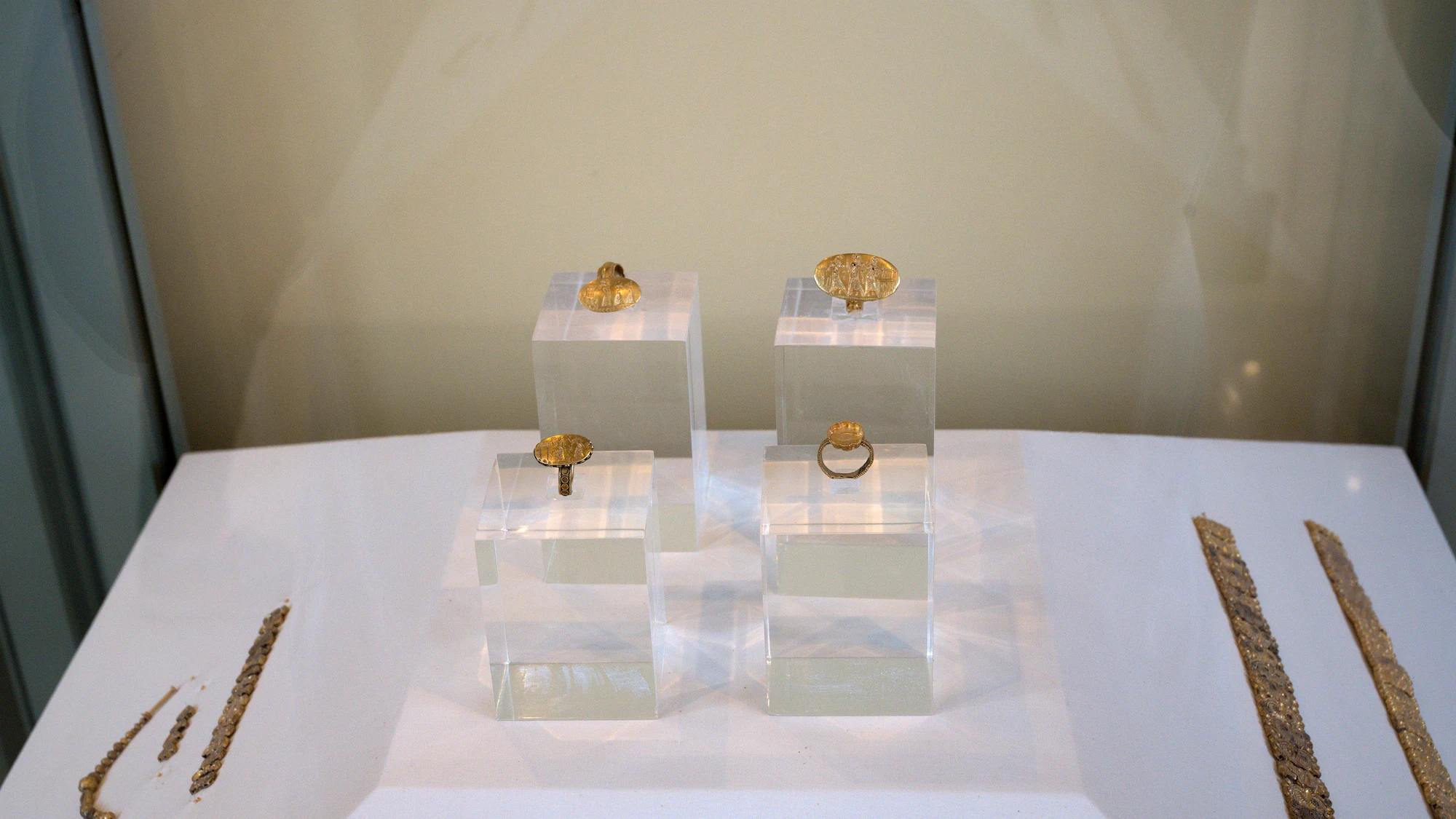
Quick decision summary
- 10k is 41.7% pure gold (usually marked 10K or 417).
- 14k is 58.3% pure gold (usually marked 14K or 585).
- At equal weight and equal payout ratio, 14k returns materially more cash.
- 10k can still be rational if your priority is long daily wear with lower replacement cost.
- The biggest pricing mistake is comparing final cash offers without normalizing payout percentage.
1) What 10k and 14k really mean for resale
Karat is simply a purity ratio out of 24 parts. So 10k means 10 parts gold out of 24, while 14k means 14 parts gold out of 24. In percentage terms, 10k is 41.7% and 14k is 58.3%. That purity gap is the core reason resale values diverge.
But resale markets pay for recoverable metal value, not label value. Buyers first estimate metal content, then apply business margins, refining costs, market risk, and liquidity assumptions. This is why two buyers can offer very different numbers for the same ring even on the same day.

2) The full formula most sellers never use
Use this framework before you request any quote:
Expected Cash Offer = Net Weight (g) × Purity × Spot Price per gram × Buyer Payout Ratio
Four failure points happen in real transactions:
- Seller uses gross weight instead of net metal weight.
- Seller mixes 10k and 14k items before quote requests.
- Buyer quote includes hidden deductions that are not explained.
- Seller compares only cash totals instead of normalized payout ratios.
3) Scenario math: same grams, different outcomes
Below is a simplified comparison model to show direction, not a guaranteed payout. The only objective is to help you understand sensitivity. If payout policy changes, your cash result changes fast.
| Scenario | Inputs | 10k vs 14k implication |
|---|---|---|
| A: same weight, same payout | 10g each, identical payout ratio | 14k clearly higher due to purity gap |
| B: 10k heavier item | 10k item weighs significantly more | 10k can still produce higher total cash |
| C: payout mismatch | Buyer A pays 60%, Buyer B pays 85% | Buyer selection can dominate karat advantage |
| D: deduction-heavy quote | Stone removal + handling + assay fee | Final cash may underperform theoretical estimate |
4) Channel reality: where offers usually differ
The same necklace can produce very different offers depending on channel. Pawn, walk-in jewelry buyer, refinery aggregator, and peer resale marketplaces optimize for different economics.
- Instant-cash channels: fast, convenient, often lower payout ratio.
- Refining-oriented channels: slower workflow, sometimes stronger payout transparency.
- Consumer resale channels: can beat melt value for branded pieces in excellent condition.
- Mixed-lot channels: highest risk of opaque deductions if documentation is weak.
Your strategy should fit your objective: maximum speed, maximum certainty, or maximum price. You rarely get all three at once.
5) The 3-quote protocol that protects your downside
- Sort items into pure groups: 10k only, 14k only, and uncertain items separate.
- Record net grams by group. If stones are present, ask whether they are excluded.
- Ask each buyer for payout basis: percentage of melt, fixed per gram, or blended method.
- Request written quote assumptions: spot timestamp, purity assumption, and fee deductions.
- Normalize each quote to payout ratio so you compare apples to apples.
This simple protocol removes most emotional decision-making. It also helps you identify buyers who rely on vague language to keep margins wide.

6) Where 10k can still be the smarter ownership choice
A lot of people read "14k has better resale" and assume 10k is a poor choice. That is too simplistic. If your use case is heavy daily wear, higher scratch resistance can reduce maintenance and replacement frequency over years.
In other words, a 10k piece may lose on resale per gram but still win on total ownership economics if it survives daily stress better and you avoid repeated repair bills. This is especially relevant for workwear jewelry, active lifestyles, and items that take frequent surface impact.
The right question is not "Which karat is universally better?" It is "Which karat best matches my wear pattern and my exit plan?"
7) Where 14k usually wins without debate
- You plan to resell in a melt-value channel in the next 6 to 24 months.
- You prioritize higher recoverable metal value over maximum durability.
- You prefer broader buyer confidence on purity marks in quote negotiations.
- You are comparing same-style items with similar labor and brand premiums.
8) A practical quote script you can use
"I have separated 10k and 14k pieces and documented net gram weight. Please quote each group separately. I need your melt basis, payout percentage, and every deduction itemized. What spot timestamp are you using?"
This script reduces ambiguity and signals that you understand valuation mechanics. Better buyers usually respond with cleaner terms when they see a prepared seller.
9) Action checklist before you sell
- Photograph hallmark and weight records.
- Keep a same-day screenshot of reference spot pricing.
- Get three offers minimum, on the same day if possible.
- Reject quotes that cannot explain deductions clearly.
- If quote gap is large, pause and re-test uncertain items.
- Use your own estimate first on GoldCalc homepage before speaking to buyers.
- Cross-check live karat pages: 10k and 14k.
10) Worked example: turning theory into a real quote decision
Assume two chains with clean marks and no stones. Chain A is 10k at 18 grams. Chain B is 14k at 14 grams. At first glance many sellers expect Chain A to win because it is heavier. But once purity and payout are normalized, the conclusion can flip depending on buyer terms.
Step 1: calculate pure-gold equivalent weight. Chain A contributes 18 × 0.417 = 7.51 grams pure gold equivalent. Chain B contributes 14 × 0.583 = 8.16 grams pure gold equivalent. So even with lower total weight, Chain B starts with a higher pure-gold base.
Step 2: apply quote policy. If buyer payout is equal, Chain B generally returns more cash. But if a buyer gives Chain A better handling terms or lower deductions, the final offer gap can narrow quickly. This is why category-only thinking is risky. You should evaluate purity and policy together.
Step 3: make the decision only when one verified offer is clearly better after all deductions and assumptions are normalized. If the gap is small or unclear, pause, retest uncertain items, and collect one additional quote. This avoids low-information sales made under time pressure.
11) Red flags that usually signal low-quality offers
- Buyer refuses to separate 10k and 14k lines in writing.
- Buyer references spot price but cannot provide the timestamp used for calculation.
- Quote includes broad labels like \"processing\" with no itemized numbers.
- You are asked to accept immediately \"before market moves\" without clear math.
- Physical testing results are described verbally but never documented.
- Offer changes after handover without a measurable, verifiable reason.
FAQ
Does 14k always give a better cash offer than 10k?
Per gram and all else equal, usually yes. But heavier 10k items or better buyer payout terms can change total cash outcomes.
Should I clean jewelry before getting quotes?
Light cleaning is fine, but avoid aggressive polishing that can remove metal or damage settings. Documentation quality matters more than cosmetic shine.
Do I need to remove stones first?
Ask each buyer. Some buyers deduct estimated stone weight, while others require stone removal to finalize net metal calculations.
Is online mail-in selling better than local offers?
Sometimes. Mail-in channels can be competitive, but shipping risk and settlement time should be priced into your decision.
What is the biggest mistake first-time sellers make?
Accepting the first quote without normalizing payout assumptions and deduction logic.
Methodology and limits
- Purity math uses the standard karat-to-fraction method (karat/24).
- Resale workflow is based on melt-value logic plus payout-ratio normalization.
- Terminology for gold quality claims follows FTC Jewelry Guides framework.
- No fixed payout benchmark is assumed because local buyer policies vary by channel and timing.
- Last reviewed: March 2, 2026.
Sources and references
- U.S. FTC Jewelry Guides (16 CFR Part 23)
- FTC guidance on misrepresentation of gold content and quality marks
- LBMA Gold Price benchmark
- CME gold contract specifications (market convention reference)
- World Gold Council gold price data hub
Image credits
- Gold rings and jewelry image by Zde, licensed CC BY-SA 4.0: Wikimedia Commons source
- Hallmark stamps image by Toddreedmarketing, licensed CC BY-SA 4.0: Wikimedia Commons source
- Goldsmith workshop image by Orce Wiki, licensed CC BY-SA 4.0: Wikimedia Commons source
Editorial note: This article is educational and does not provide legal, tax, or investment advice.